
From Pocket Treasure to Personal Milestone: Collectible, Challenge, and Sobriety Coins
Coins are rarely just coins. A worn quarter can carry the memory of a first paycheck, a shiny commemorative piece can spark a lifelong hobby, and a small metal token can hold enough meaning to anchor an entire recovery journey. Collectible coins, challenge coins, and sobriety coins may look related at first glance, but they live in different emotional territories. One is about history and discovery, one is about belonging and honor, and one is about courage and daily commitment. Together, they show how a simple disc of metal can become a pocket-sized story.
Collectible Coins: The Thrill of the Hunt
Collectible coins are the historians of the trio. They invite curiosity about mints, dates, errors, metals, and the hands a coin may have passed through. Some collectors chase key dates and low mintage numbers; others fall for the beauty of a design or the romance of a coin that survived a century of circulation. The hobby rewards patience. A routine coin roll can hide a surprise, and a quiet flea market table can suddenly become the scene of a great find.
What Makes a Coin Collectible?
Rarity matters, but it is not the whole story. Condition, historical significance, artistic merit, and personal connection all shape value. A coin does not have to be expensive to be meaningful. Many collectors begin with coins from their birth year, family heirlooms, or themes such as ships, animals, or world leaders. The pleasure is in the puzzle: learning how to grade, store, and research each piece without losing the joy of the hunt.
- Start with a theme. A focused collection is easier to organize and more satisfying to grow.
- Protect what you find. Use holders and avoid cleaning coins, since harsh cleaning can erase value.
- Record the story. Note where and when you acquired each coin; future you will appreciate the context.
Challenge Coins: Small Medals with Big Stories
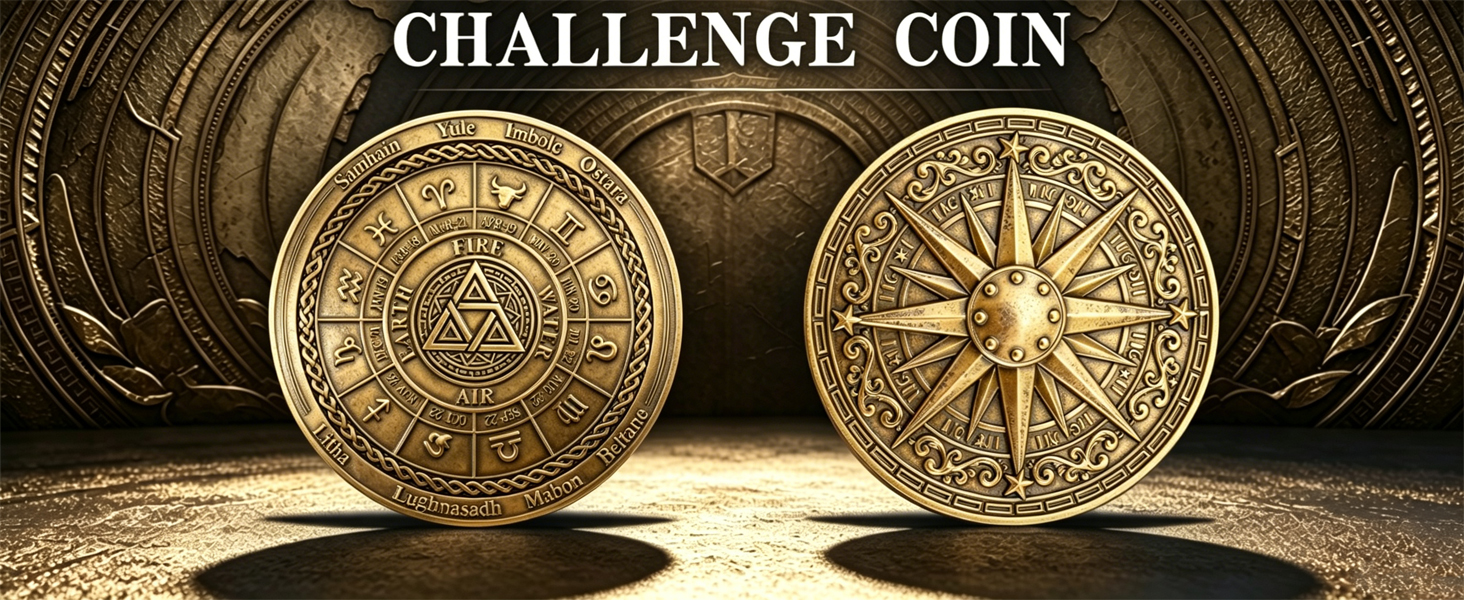
Challenge coins carry a different kind of weight. They are less about market value and more about identity, camaraderie, and recognition. Often associated with military units, police departments, fire crews, and other close-knit teams, challenge coins are given to mark service, thank someone for going above and beyond, or welcome a new member into a shared culture. The coin becomes a physical handshake—a reminder that the recipient belongs.
“A challenge coin is not a medal for winning. It is a token for showing up, standing with others, and earning trust.”
Design, Etiquette, and Meaning
Challenge coins are usually custom-made, which means their designs can be as varied as the groups they represent. Unit crests, mottoes, dates, maps, and symbols all find their way onto the metal. Collectors often trade them, display them in shadow boxes, or carry a favorite coin as a lucky piece. The famous “coin check” tradition—where members present their coins and those without one may owe a round—adds a playful layer of ritual. But beneath the fun, the coin is serious: it says, I see what you did, and I am glad you are here.
Sobriety Coins: Rewards for the Road Back
Sobriety coins, sometimes called recovery medallions or sobriety tokens, are among the most personal coins a person can hold. They mark days, months, and years of abstinence from alcohol or other addictive substances. In twelve-step groups and recovery communities, receiving a coin is often a moment of applause, tears, and quiet pride. The coin is not magic, and it does not erase the hard work behind it. Instead, it serves as a visible reminder: progress is real, relapse is not the end, and one day at a time is enough.
More Than a Token
A sobriety coin can be carried in a pocket, kept on a bedside table, or given by a sponsor, friend, or family member. Many feature Serenity Prayer wording, anniversary numerals, or simple phrases such as “One Day at a Time.” The design matters less than the meaning. For someone in early recovery, a coin can be a lifeline during a difficult moment. For someone celebrating decades, it becomes a trophy of endurance and a symbol of gratitude.
Choosing or giving a sobriety coin is an act of respect. Ask what the person’s recovery community uses, and avoid treating the coin as a cure or a prize. The most powerful gift is often a coin paired with presence: a listening ear, a ride to a meeting, or a sincere “I am proud of you.”
Where the Three Worlds Meet
Collectible coins, challenge coins, and sobriety coins share more than metal and minting. They all turn memory into something you can hold. The collector preserves history, the team member preserves belonging, and the person in recovery preserves hope. Each coin says that a moment mattered enough to be remembered. Each one can be passed down, traded, displayed, or carried close. And each one proves that value is not always printed on a price tag.
Final Thoughts
Whether you are hunting for a rare date, trading a unit coin with a friend, or celebrating another year of sobriety, these small objects do quiet, powerful work. They connect us to the past, to each other, and to the person we are becoming. So the next time you find a coin in your pocket, pause for a second. It may be worth more than you think—not because of its metal, but because of the story it carries.