Wudu Nail Rings: The Complete Guide to Nail Covers for a Valid Wudu
For many Muslim women, the small ritual of wudu carries a very practical question: what happens to my nails? Polish, gel, dip powder, and long extensions all block water from reaching the nail plate, and that single detail can affect the validity of the ablution itself. Wudu nail rings were created to solve exactly that problem — a simple, reusable accessory that lets water flow freely while keeping your hands beautifully styled. This guide explains how they work, how to choose them, and what to keep in mind before you buy.
Why Nail Polish and Wudu Do Not Mix
Wudu requires water to reach every part of the skin and nails that falls within the obligatory area. A standard nail polish forms a continuous film over the nail plate, and that film is impermeable. Water beads on the surface instead of touching the nail underneath. The same is true of gel overlays, acrylics, and press-on tips. The result is a patch of the hand that remains dry — and many scholars consider this an incomplete ablution.
The principle is simple: water must reach the surface. Anything that seals the nail creates a barrier, and a barrier means the washing is incomplete.
Removing and reapplying polish five times a day is exhausting. That is the gap nail rings for wudu are designed to fill.
What Exactly Are Wudu Nail Covers?
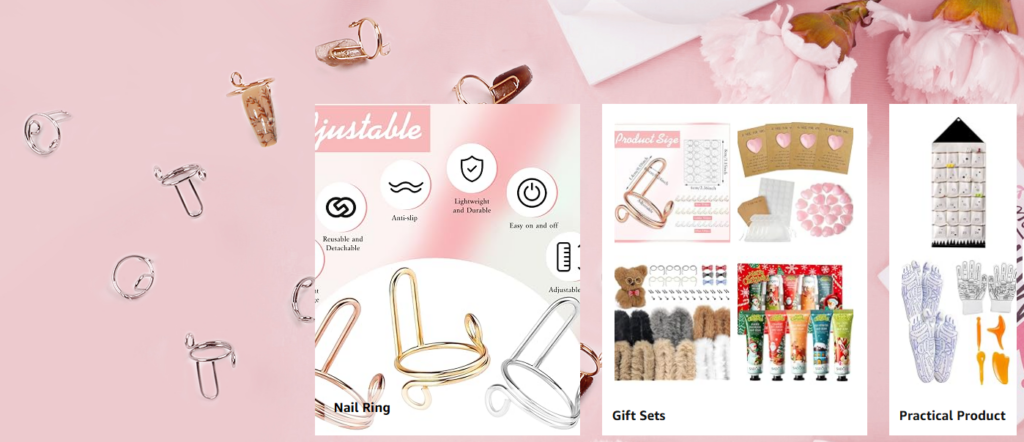
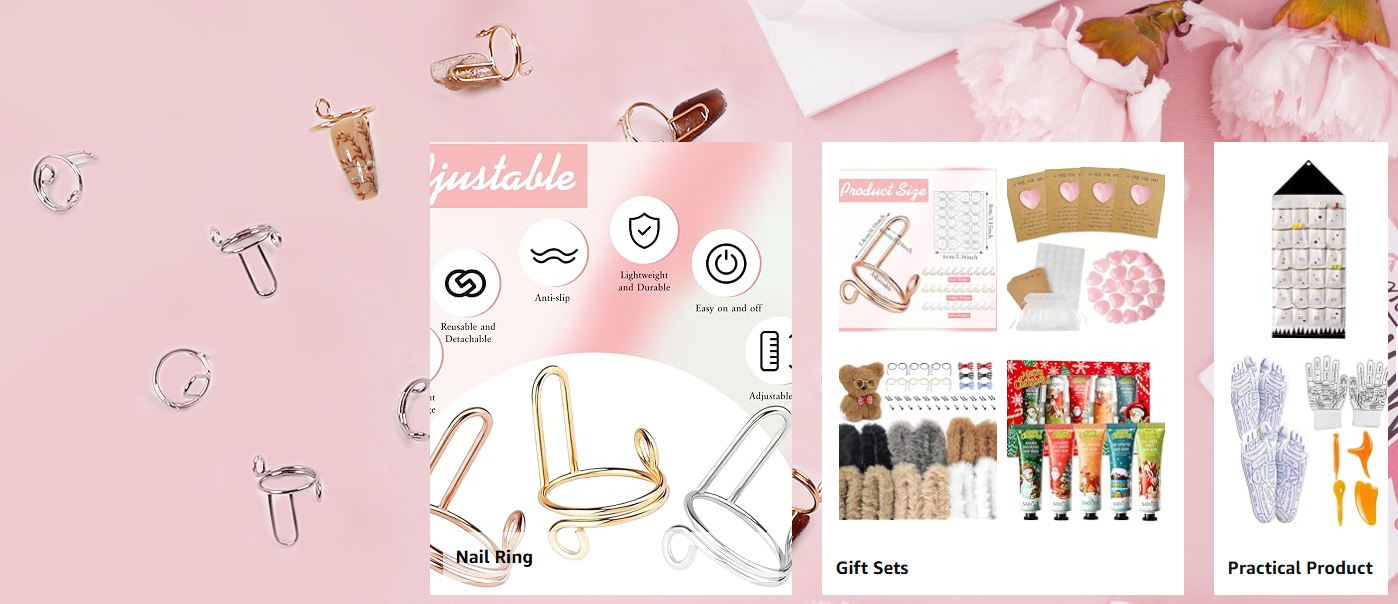
Wudu nail covers are small, open-backed rings or caps worn on the fingertip. Unlike a closed press-on nail, they leave the nail bed exposed to water. Water flows over and around the ring, contacts the nail plate directly, and drains away. You get decoration, protection, or a polished look without sacrificing the requirements of wudu.
Most sets are made from:
- Flexible silicone — soft, economical, and gentle on natural nails
- Stainless steel or alloy — durable, elegant, and often adjustable
- Resin or acrylic blends — decorative finishes that mimic polish
How to Wear Them Correctly
- Start clean. Remove any polish or residue from the nail plate.
- Choose the right size. The ring should sit snugly at the fingertip without pinching.
- Position it past the nail edge. Slide it on so the open frame surrounds, rather than caps, the nail.
- Wet and wash as normal. Perform wudu exactly as you always do — no adjustment needed.
- Dry thoroughly. Pat the ring and the surrounding skin dry to avoid trapped moisture.
Choosing the Right Set
The market has expanded quickly, so it helps to know what separates a good set from a frustrating one.
| Feature | What to Look For |
|---|---|
| Fit | Adjustable bands or multi-size sets for a secure, comfortable grip |
| Open design | Confirm the nail plate stays fully exposed to water |
| Material | Hypoallergenic silicone or rust-resistant metal |
| Finish | Matte, metallic, pearl, or crystal — pick what matches your style |
If you wear them daily, buy two sets. One can dry while you wear the other — a small habit that makes a big difference in comfort.
Are They Permissible?
The intent behind wudu nail rings is to remove a barrier, not create one. Because the nail remains exposed and water reaches it directly, most people who use them do so precisely to make their wudu more complete. That said, practice varies, and scholarly opinions on adornment and imitation differ by school and community.
If you want certainty, do the water test yourself: wear the set, perform wudu, then press a dry tissue against the nail plate. If the tissue stays dry, water reached the nail. If it comes away damp-proof sealed, the design is not suitable.
Care and Common Mistakes
- Rinse and dry your rings after every use — moisture trapped under silicone can cause odor.
- Avoid wearing them during heavy cleaning with harsh chemicals.
- Do not size down for a “tighter” look; pinching restricts circulation.
- Replace silicone sets once they lose shape or begin to tear.
- Never assume a decorative press-on is wudu-friendly — check whether water passes through.
The Bottom Line
Wudu nail rings are a quiet, practical innovation: they let you enjoy decorated, protected nails without compromising a daily act of worship. Choose an open design, get the fit right, keep them clean, and verify with a tissue test until you are confident. Faith and self-expression do not have to compete — sometimes a small ring on the fingertip is all the reconciliation you need.