
Crafting Outside the Box: Papier-Mâché, Transfer Paper, Fabric, and Charm Beads
There is a special kind of magic in turning humble materials into something personal. A bowl made from newspaper pulp, a tote bag transformed by a delicate transfer, a scrap of fabric stitched into a keepsake, or a tiny charm that catches the light—these are the small, satisfying moments that make arts and crafts so addictive. Whether you are a weekend maker or a seasoned studio tinkerer, the combination of papier-mâché, transfer paper, fabric, and charms and beads opens a playground of texture, color, and story.
Papier-Mâché: From Pulp to Personality
Papier-mâché is forgiving, inexpensive, and deeply tactile. At its simplest, it is torn paper, paste, and patience. But the results can feel surprisingly sculptural. Start with a form—a balloon, a cardboard box, or a wire armature—and build up layers of newspaper strips soaked in a flour-and-water paste or white glue mixture. Three to five layers usually give a sturdy shell, and each layer should dry completely before the next.
Pro tip: use a 50/50 mix of white glue and water for a smoother finish, and press the strips down firmly to remove air bubbles. Once dry, sand lightly, prime with gesso, and paint with acrylics. Papier-mâché takes paint beautifully, so it is the perfect base for bold patterns, metallic accents, or even decoupage.
- Best papers: newspaper for structure, tissue paper for detail, kraft paper for a warm finish.
- Drying time: 12–24 hours per layer in a dry, ventilated room.
- Finishing: seal with matte varnish if the piece will be handled often.
Transfer Paper: The Quiet Hero of Pattern and Detail
Transfer paper is one of those supplies that quietly changes everything. It lets you move a design—hand-drawn, printed, or traced—onto fabric, wood, papier-mâché, or canvas without freehand anxiety. Use a light hand: place the transfer paper face down on the surface, lay your pattern on top, and trace with a ballpoint pen or stylus. On fabric, choose a transfer paper made for textiles and test on a scrap first.
“Transfer paper does not just copy a line—it gives you permission to commit to the details.”
For mixed-media work, transfer paper can also layer motifs over painted papier-mâché or create embroidery guides on fabric. Keep your lines light so they disappear under paint or thread, and always test your pressure. Too much pressure can leave a waxy residue that resists paint.
Fabric: Soft Texture, Big Impact
Fabric brings warmth and softness to projects that might otherwise feel rigid. A fabric patch can turn a papier-mâché bowl into a textile-inspired vessel. Fabric scraps can become the background for charm beads, or a simple no-sew banner for your craft space. Look for small-scale prints, linen, cotton, and felt—they are easy to cut, glue, and stitch.
Try this: fuse fabric to papier-mâché with a little Mod Podge or fabric glue, then outline the edges with embroidery thread. The contrast between the smooth, painted pulp and the woven texture is instantly eye-catching. For a more durable finish, seal the fabric edges with a thin line of glue before pressing them down.
Charms and Beads: Small Details, Strong Statements
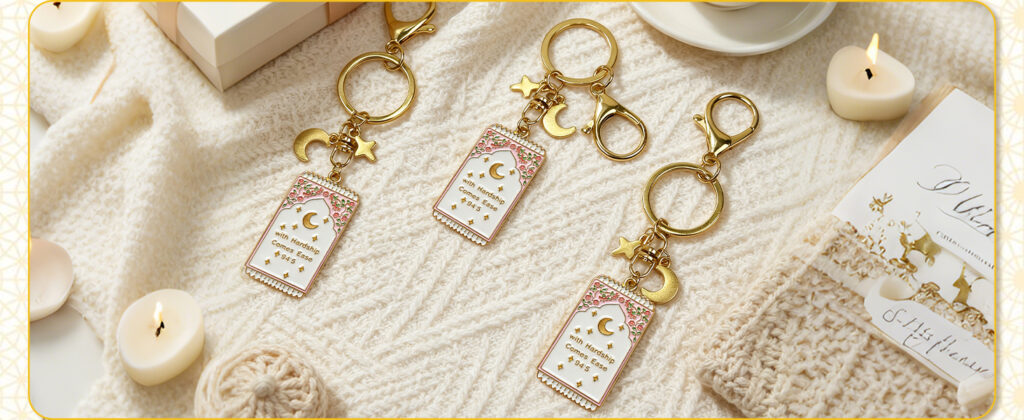
Charms and beads are the punctuation marks of a craft project. A single dangling charm can add movement; a cluster of seed beads can catch the light; a vintage button can anchor a design. Use them sparingly but deliberately. On a papier-mâché box, glue a few beads along the rim or create a small charm pull. On a fabric pouch, sew a row of beads along the seam or attach a charm to the zipper pull.
- Plan placement: arrange beads and charms before gluing or sewing.
- Choose the right adhesive: E6000 for metal charms, fabric glue for beads on fabric.
- Balance weight: heavy charms need reinforced stitching or stronger glue.
Putting It Together: A Mixed-Media Memory Bowl
Here is a project that brings all four materials together. Create a small papier-mâché bowl over a balloon. Once dry, cut and remove the balloon, sand the rim, and paint the outside in a deep color. Use transfer paper to trace a simple floral or geometric design onto the bowl, then paint or embroider over the lines. Line the inside with fabric glued along the rim, and add a few charms and beads around the outer edge for sparkle and movement. The result is a textural, personal piece that works as a jewelry dish, a desk catch-all, or a handmade gift.
Finishing touches matter. Seal porous surfaces, let adhesives cure fully, and keep beads away from high-friction areas. Store delicate charms so they do not tangle, and label transfer papers by color and type so your next project starts smoothly.
Arts and crafts thrive on unlikely combinations. Papier-mâché gives you form, transfer paper gives you precision, fabric gives you softness, and charms and beads give you personality. Put them together, and you have more than a project—you have a small, handmade story worth keeping.