Transform Your Yard into a Bird Paradise: Bird Feeders & Outdoor Accessories Explained
Watching birds flit from branch to feeder is one of life’s simple pleasures. Whether you’re a seasoned birder or a curious beginner, the right combination of bird feeders and outdoor accessories can turn any backyard into a thriving avian oasis. In this guide, we’ll explore how to choose, place, and maintain feeders and accessories that attract a diverse cast of feathered visitors—and keep them coming back season after season.
Choosing the Right Bird Feeder
The heart of any bird-friendly yard is, of course, the feeder. But not all feeders are created equal. Different species have different feeding habits, beak shapes, and preferences. Here’s a quick breakdown of the most popular types:
- Hopper feeders: Great for cardinals, jays, and finches. They hold a lot of seed and keep it dry.
- Tube feeders: Ideal for small birds like chickadees and titmice. The mesh or clear plastic allows you to monitor seed levels.
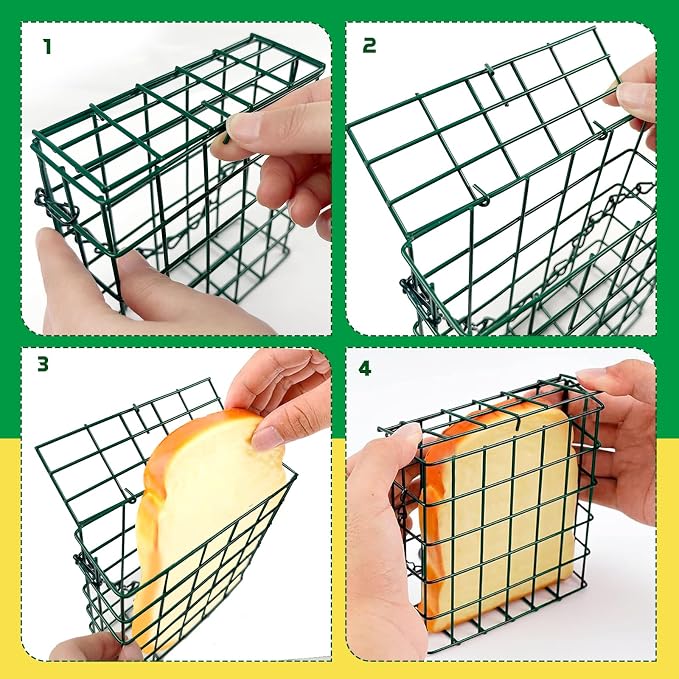
- Suet feeders: A winter favorite for woodpeckers, nuthatches, and wrens. Suet provides high-energy fat.
- Platform feeders: Attract ground-feeding birds like doves and sparrows. Easy to clean but need protection from rain.
- Nyjer (thistle) feeders: Specifically designed for finches, with tiny ports that dispense thistle seed.
Pro tip: Start with two or three different feeder types to see which birds frequent your area. Rotate seed blends to discover what your local flock loves most.
Essential Outdoor Accessories for Bird Lovers
Feeders alone aren’t enough. To create a complete bird habitat, consider adding these accessories:
- Bird baths: A shallow water source is crucial for drinking and bathing. Moving water (with a dripper or mister) attracts more birds.
- Squirrel baffles: Keep determined rodents out of your seed supply. Pole baffles and cone baffles are effective.
- Seed storage containers: Metal or heavy-duty plastic bins keep seed fresh and pest-free.
- Cleaning tools: A long-handled brush and a mild bleach solution (1 part bleach to 9 parts water) help prevent disease.
- Weather guards: Domed covers protect feeders from rain and snow, keeping seed dry and accessible.
“A clean feeder is a healthy feeder. Aim to scrub your feeders every two weeks—more often during hot, humid weather.”
Placement and Maintenance Tips
Where you hang or mount your feeder matters as much as what you fill it with. Follow these guidelines for optimal results:
- Place feeders 10–12 feet from trees or shrubs to give birds a safe escape route from predators.
- Keep feeders 3–4 feet above ground to deter cats and other ground predators.
- Use a pole-mounted feeder with a baffle for the best squirrel protection.
- Clean feeders regularly—at least twice a month, and more often in wet weather.
- Replace seed that looks moldy or smells musty. Fresh seed = happy birds.
Seasonal note: In winter, high-fat foods like suet and black oil sunflower seeds provide essential energy. In summer, offer fresh fruit (oranges, grapes) and plenty of water.
Common Mistakes to Avoid
Even well-intentioned bird lovers can accidentally make mistakes. Watch out for these pitfalls:
- Overcrowding: Too many feeders in one spot can spread disease. Space them at least 5 feet apart.
- Using old, moldy seed: Birds will reject it, and mold can make them sick.
- Forgetting to clean: Dirty feeders harbor bacteria and parasites. Set a reminder on your phone.
- Ignoring predators: Without a baffle, squirrels and raccoons will empty your feeder overnight.
Attracting Specific Birds: A Quick Reference
Different birds have different tastes. Here’s a handy cheat sheet to help you target your favorites:
| Bird Species | Favorite Food | Feeder Type |
|---|---|---|
| Cardinal | Black oil sunflower, safflower | Hopper or platform |
| Goldfinch | Nyjer thistle, sunflower chips | Tube feeder |
| Woodpecker | Suet, peanuts | Suet cage or log |
| Blue Jay | Peanuts, sunflower seeds | Platform or hopper |
Remember that birds also need shelter and nesting sites. Consider adding a birdhouse or leaving a brush pile in a corner of your yard.
Final Thoughts: Create a Bird-Friendly Haven
Building a bird-friendly yard is a rewarding hobby that benefits both you and your feathered neighbors. By selecting the right feeders, adding thoughtful accessories, and staying on top of maintenance, you’ll create a welcoming space that supports local bird populations year-round. Don’t be discouraged if it takes a few weeks for birds to discover your setup—patience is part of the pleasure. So hang that feeder, fill it with fresh seed, and get ready for the show—your backyard birds are waiting.
Happy birding!